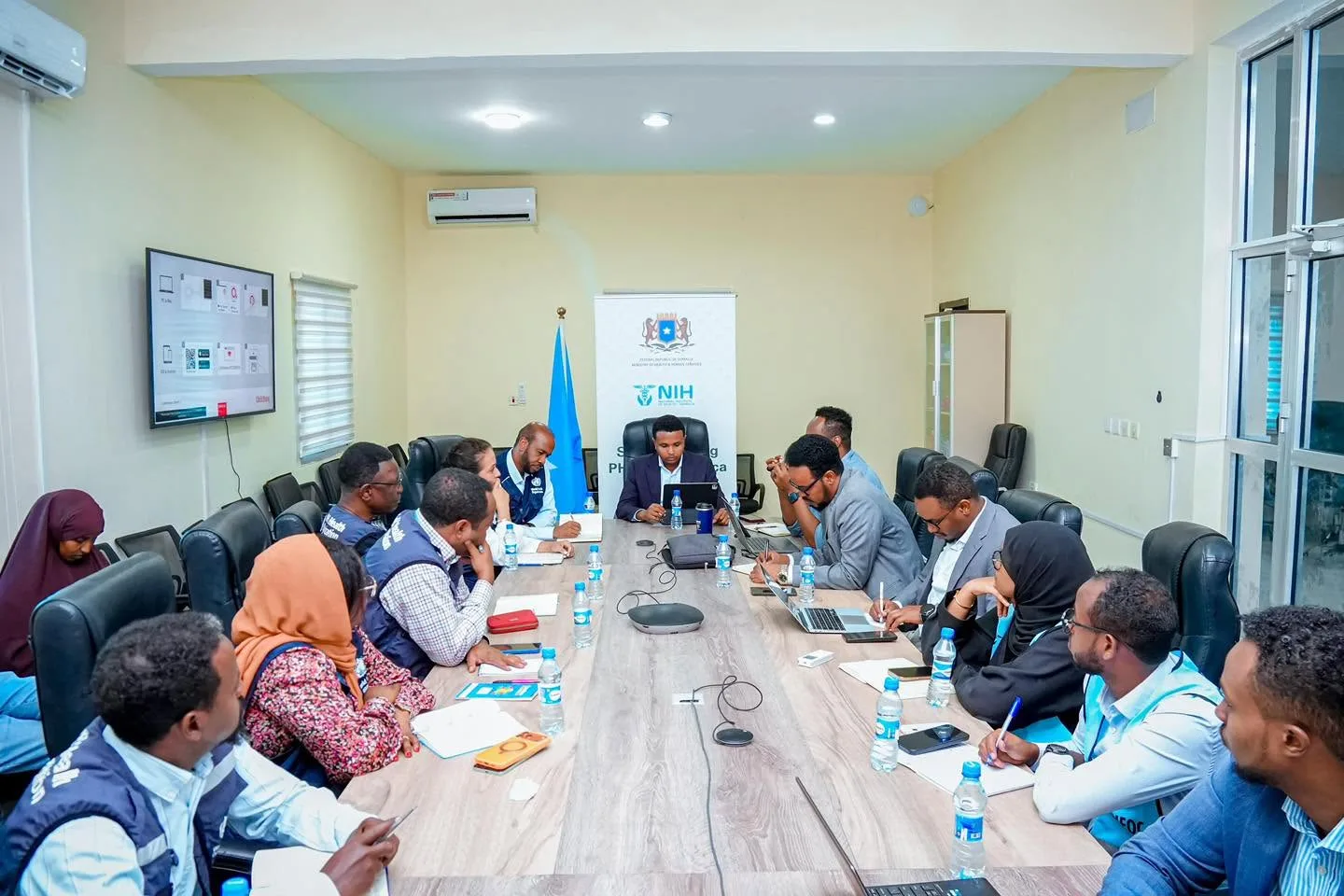
The National Institute of Health - Somalia
The National Institute of Health (NIH) Somalia is the country's leading public health institution, dedicated to improving health through research, innovation, disease surveillance, laboratory strengthening, emergency preparedness, and evidence-based decision-making. Working with government, healthcare providers, academia, and international partners, NIH advances sustainable health solutions and strengthens national health security for a healthier, more resilient Somalia.
DIRECTOR MESSAGE
Welcome to the NIH - Somalia
The National Institute of Health (NIH) Somalia is the country’s leading public health institution under the Federal Ministry of Health and Human Services, dedicated to strengthening national health security.
NIH leads disease surveillance, emergency preparedness and response, laboratory systems, public health research, workforce development, and implementation of the International Health Regulations (IHR 2005). Through the National Public Health Emergency Operations Centre (PHEOC), NIH coordinates responses to health emergencies and collaborates with Federal Member States, communities, and international partners to build a healthier, safer, and more resilient Somalia.
As Director of the National Institute of Health Somalia, I extend my sincere appreciation to everyone whose dedication and commitment continue to strengthen our nation's public health system. Your tireless service, professionalism, and shared vision inspire our progress and reinforce our mission to protect and improve the health of all Somalis. Together, we will continue working toward a healthier, safer, and more resilient future for our nation.

outbreak
Complete Your Traveler Health Declaration
To strengthen public health surveillance and facilitate safe travel, the National Institute of Health (NIH) Somalia requires travelers entering or departing Somalia to complete the Traveler Health Declaration Form before their journey.
Travelers can easily access and complete the form by scanning the QR code with their mobile phone. After successful submission, a confirmation will be provided. This initiative supports faster health screening, disease surveillance, and improved preparedness at points of entry.

OUTBREAK HIGHLIGHTS
Ebola Virus Disease is a serious health threat—but early reporting saves lives.
Ebola Virus Disease represents a persistent public health threat to both human and primate populations, with transmission driven by direct exposure to infectious bodily fluids and contaminated environmental surfaces. Recognizing the heightened risk posed by regional population mobility, Kenya remains on high alert. Our preparedness framework is anchored in early warning and rapid response—encompassing sentinel surveillance, infection prevention and control, advanced laboratory diagnostics, meticulous contact tracing, and culturally-adapted risk communication—to ensure a resilient, agile, and community-centered defense against potential outbreaks.
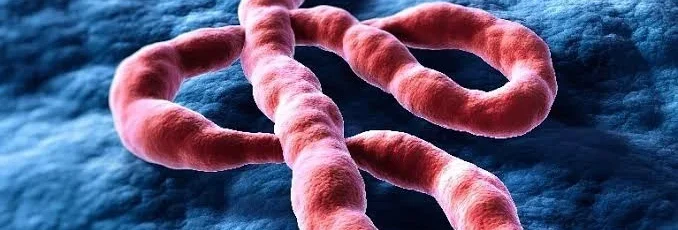
WHO Ebola fact sheet
Ebola disease (EBOD) is a rare but severe illness in humans. It is often fatal. Caused by viruses that belong to the Orthoebolavirus genus of the filoviridae family...
Signs and Symptoms of Ebola Disease
Symptoms of Ebola disease may appear 2 to 21 days after contact with the virus. Onaverage, people begin showing symptoms 8 to 10 days after exposure. At first,symptoms are generic and are known as "dry" symptoms.
PHEOC - Public Health Emergancy Centre
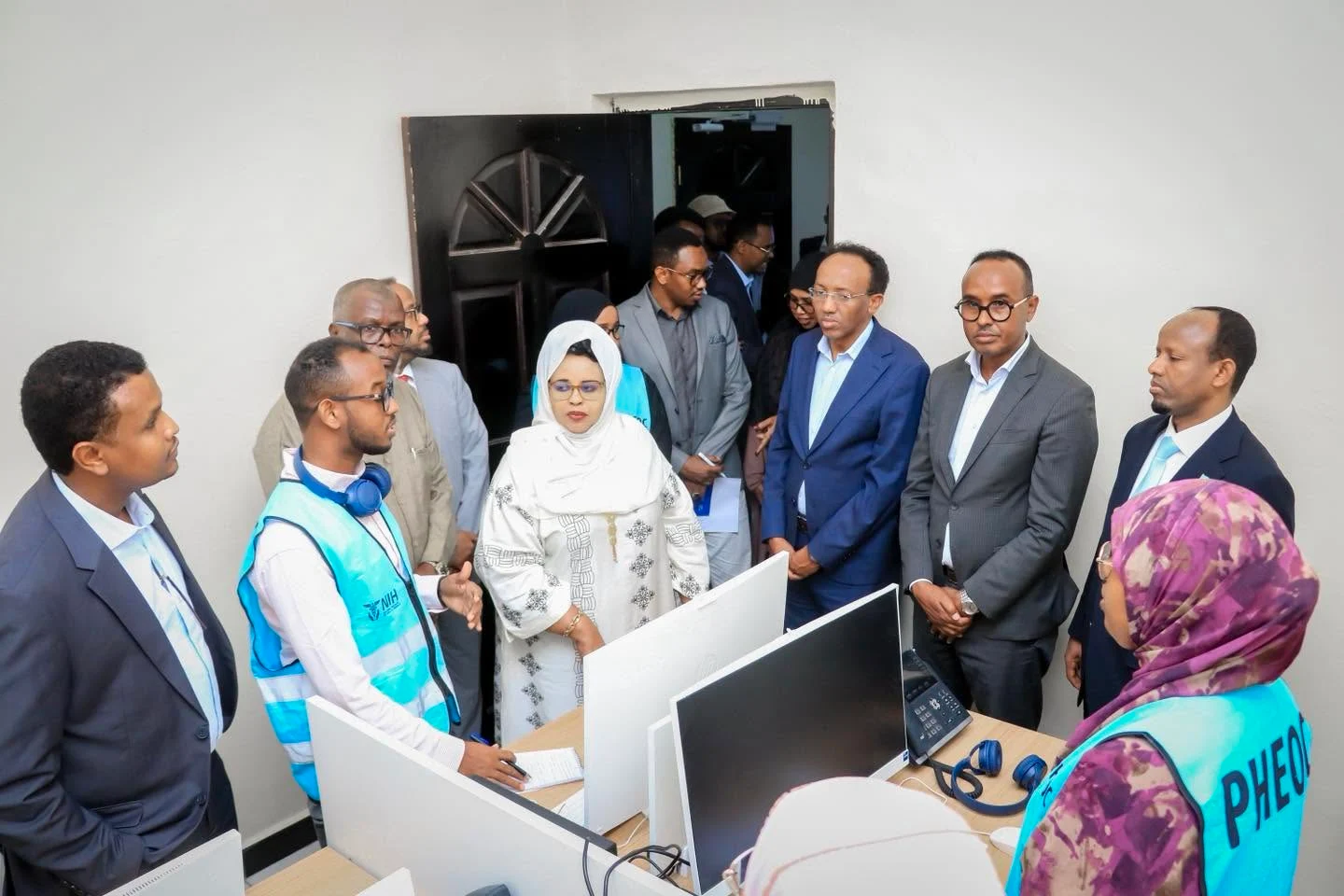
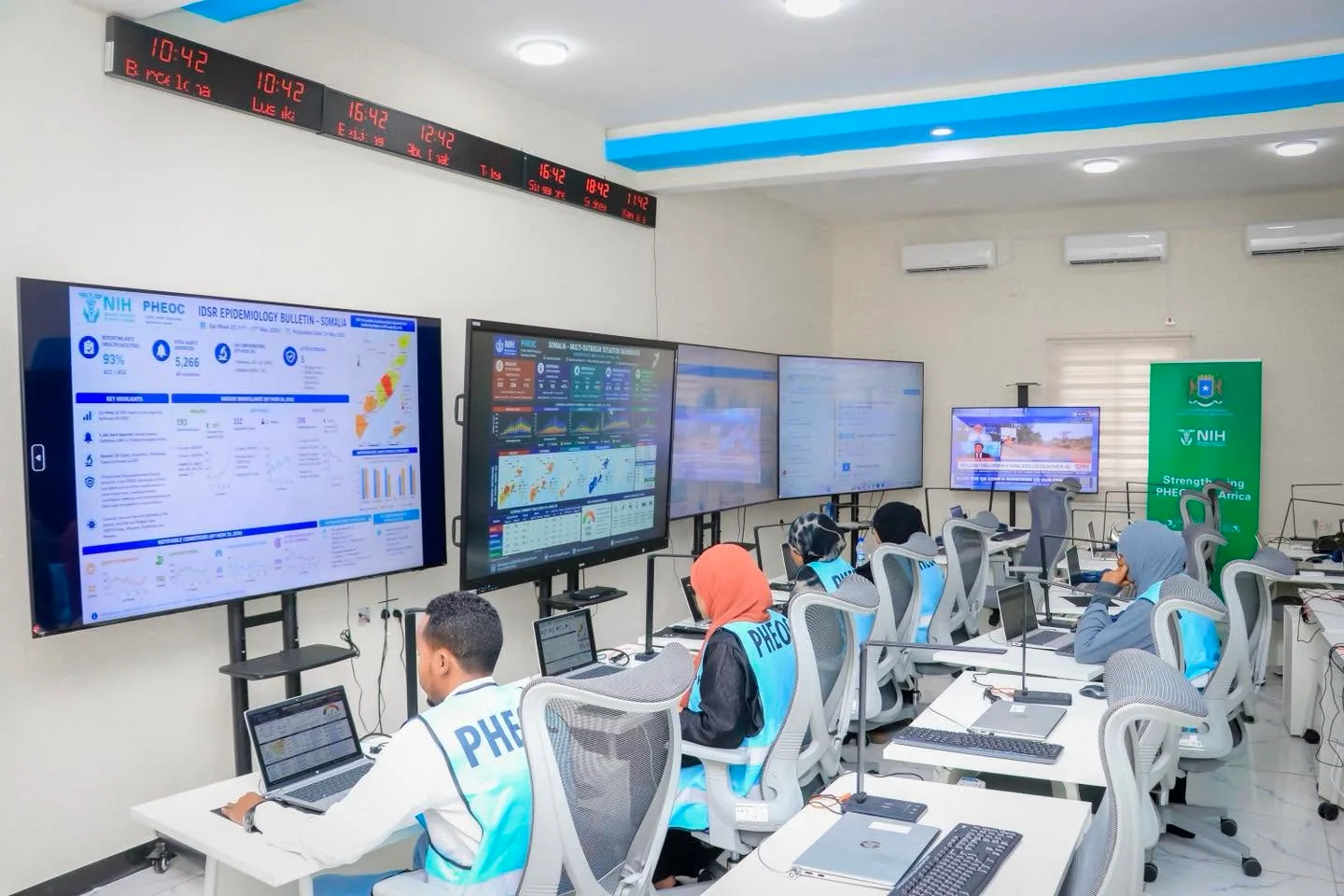
We aim to provide strategic leadership and coordination for a unified national and sub-national PHEOC network, enabling timely, effective, and evidence-based preparedness and response to public health emergencies. Through collaborative surveillance, reliable data, and multi-sectoral coordination, we support early detection, informed decision-making, and rapid response. Our key responsibility is to facilitate coordination across all emergency response pillars under the National Incident Management Team (NIMT), led by the NIH Executive Director as the mandated coordinating body on behalf of the Federal Ministry of Health and Human Services, including surveillance, laboratory, case management, IPC, RCCE, logistics, PoE, vaccination, clinical services, environmental health, MHPSS, and other technical areas.
Dashboard
Public Health Emergency Operation Center
OEC Screen
Ebola Outbreak Situational Dashboard
Departments of the National Institute of Health, Somalia
Strengthens national health security through key departments responsible for emergency preparedness and response, public health laboratories, health research, port health, and cross-border health security.
events
The First National Institute Of Health Research Exhibition Program In Somalia
The First National Institute Of Health Research Exhibition Program In Somalia